Alumina (Al₂O₃) Ceramic Substrates
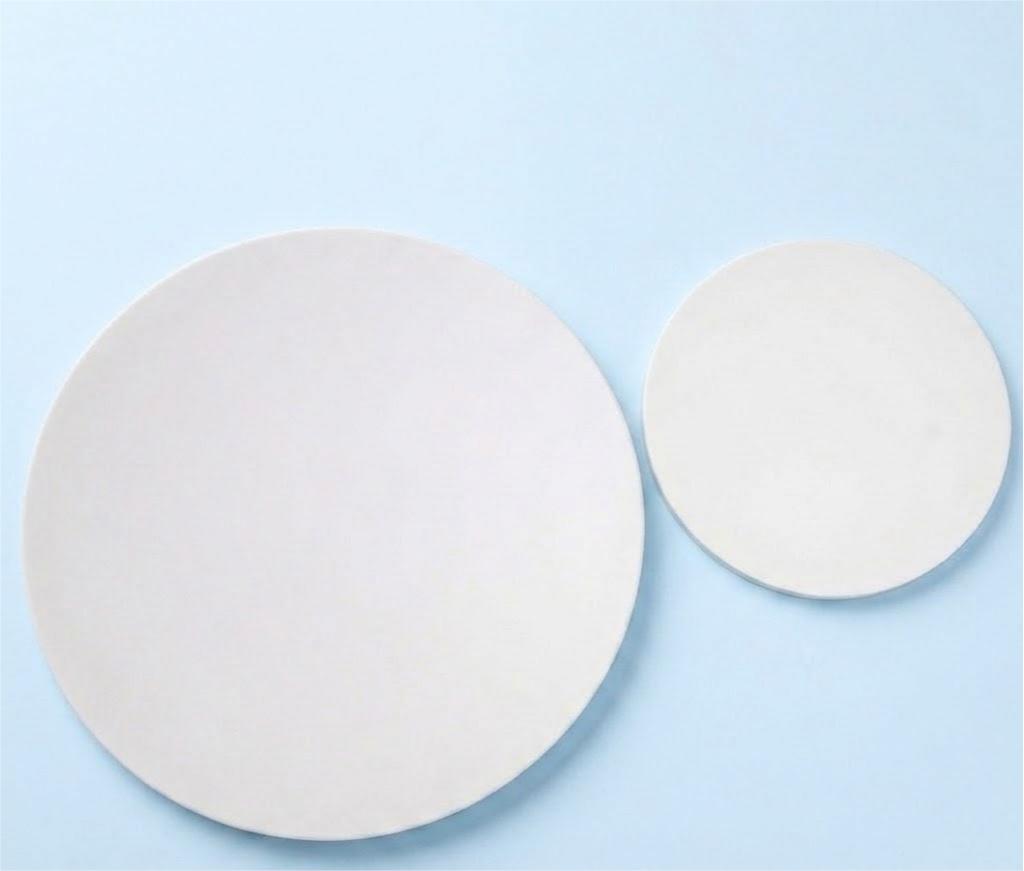
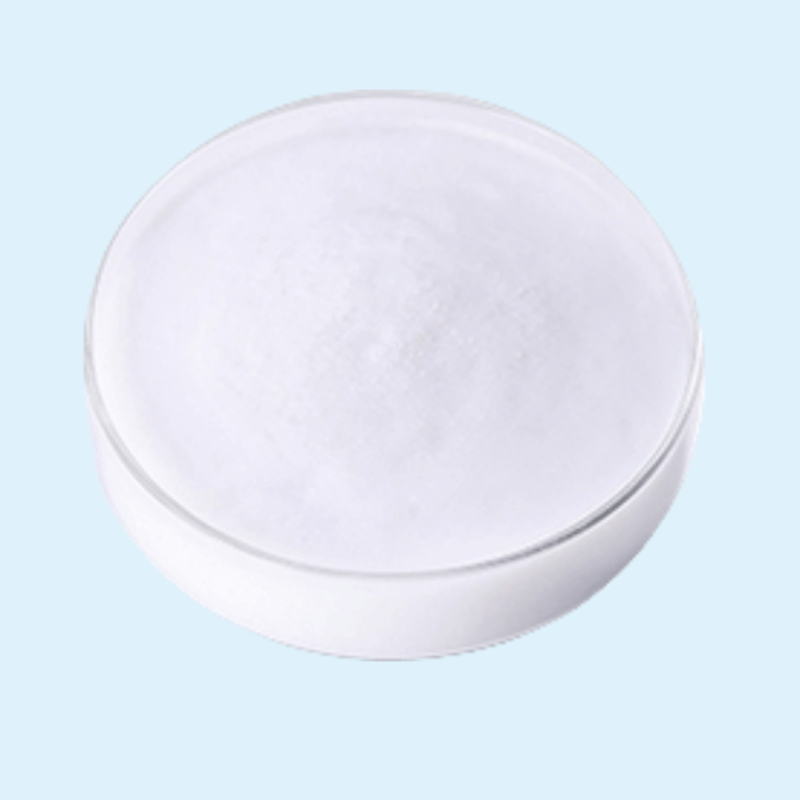
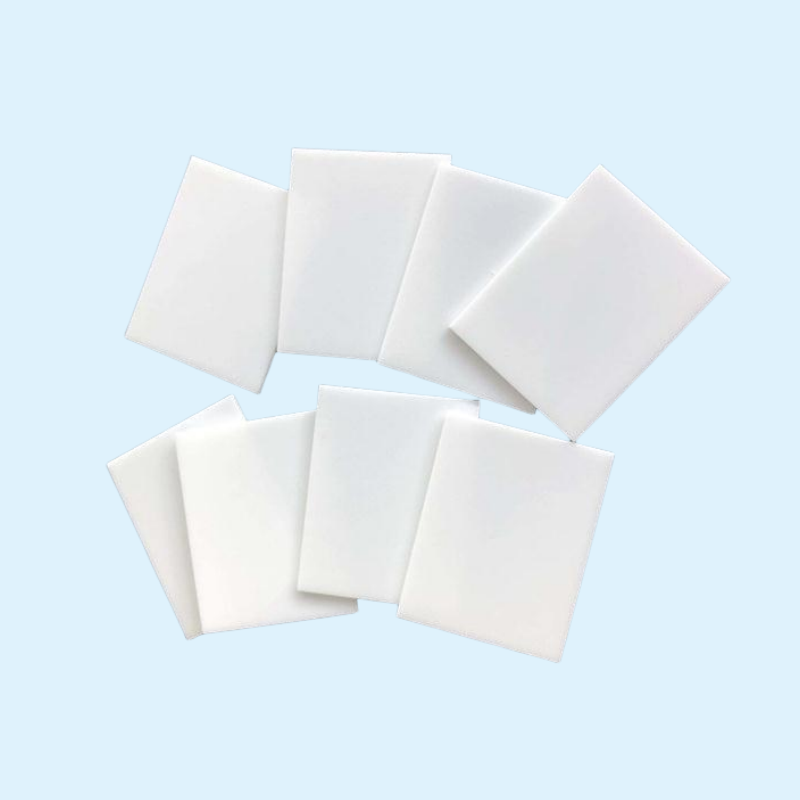
Alumina (Al₂O₃) ceramic substrates are widely used in electronic packaging, semiconductor devices and thick-film circuits. They offer excellent electrical insulation, high mechanical strength, hardness, wear resistance and thermal stability, making them a reliable material for various electronic and industrial applications.
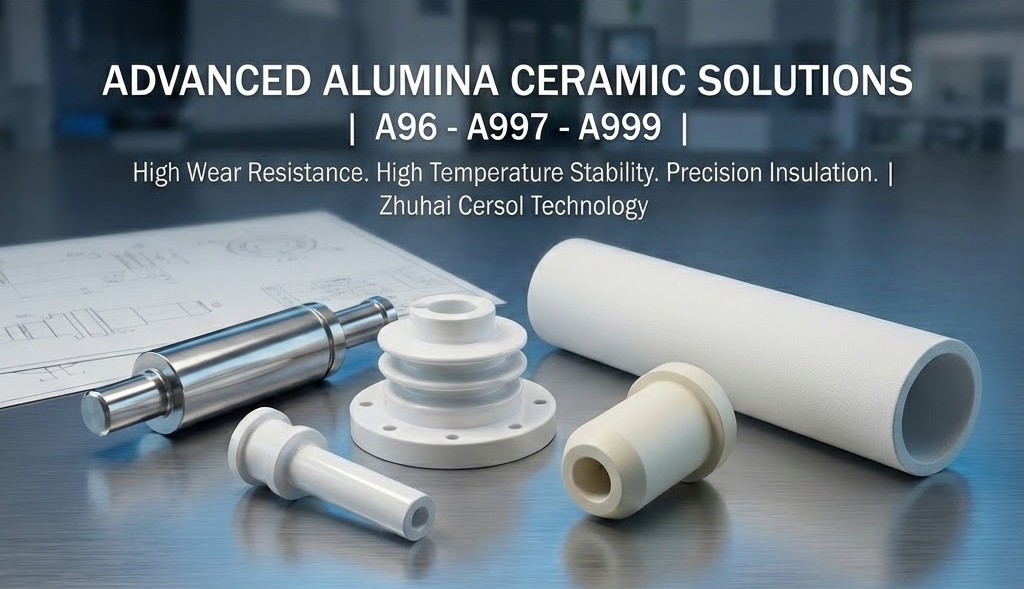
Cersol supplies alumina ceramic substrates in different purity grades, dimensions, thicknesses and configurations, including 96% and 99.6% Al₂O₃. Customized sizes and laser-cut geometries are available according to application requirements and technical drawings.
Dimensions and Specifications
| Material Grade | 96% Al₂O₃ and 99.6% Al₂O₃ |
|---|---|
| Shape | Square, rectangular, circular and customized geometries |
| Standard Dimensions | 50.8 × 50.8 mm, 60 × 48 mm, 114.3 × 114.3 mm and customized sizes |
| Thickness | 0.25–2.0 mm for 96% Al₂O₃; 0.25–1.0 mm for standard 99.6% Al₂O₃ substrates |
| Thermal Conductivity | 24 W/(m·K) for 96% Al₂O₃; 29 W/(m·K) for 99.6% Al₂O₃ |
| Relative Permittivity | Approximately 9–10 for 96% Al₂O₃; 9–10.5 for 99.6% Al₂O₃ |
| Bulk Density | Approximately 3.7 g/cm³ for 96% Al₂O₃; 3.9 g/cm³ for 99.6% Al₂O₃ |
| Surface Roughness | Ra: 0.03–0.7 µm |
The above values are typical reference specifications. Actual properties, dimensions and thickness ranges depend on material grade and substrate type. Other sizes and thicknesses can be evaluated according to project requirements.
Material Properties
Excellent Electrical Insulation
Alumina provides reliable electrical insulation and dielectric performance, making it suitable for electronic circuits, semiconductor components and insulating substrates.
High Mechanical Strength and Hardness
With high hardness and mechanical strength, alumina substrates offer good dimensional stability and resistance to wear and mechanical damage.
Thermal Stability
Alumina offers good heat resistance and thermal stability, supporting reliable performance in electronic devices and demanding operating environments.
Good Dielectric Properties
Its relatively low dielectric loss and stable dielectric characteristics make alumina suitable for thick-film circuits, microwave substrates and high-frequency electronic applications.
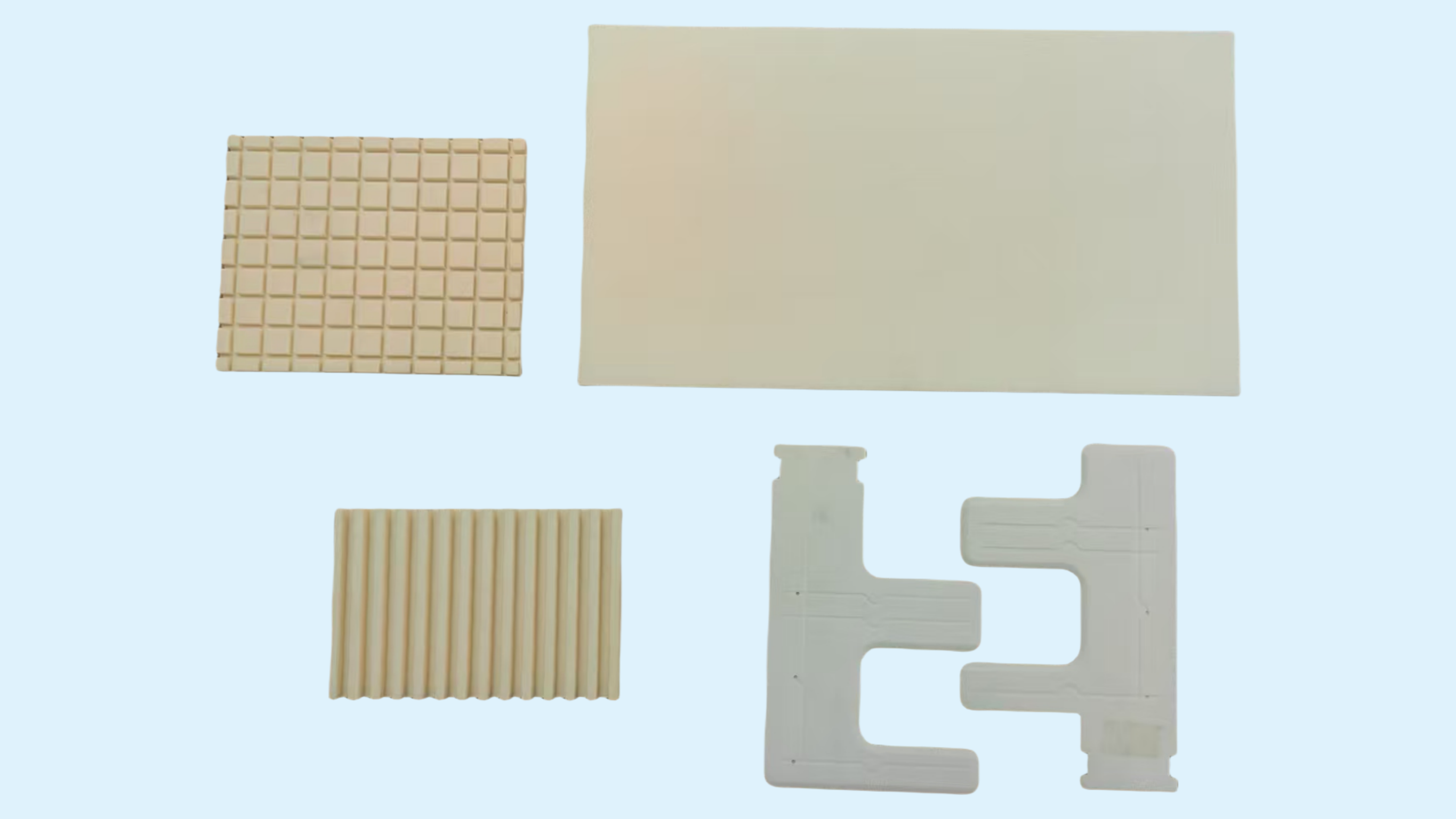
Available Substrate Types
96% Alumina Substrates
Widely used ceramic substrates offering a balance of electrical insulation, mechanical strength and thermal performance for general electronic packaging, thick-film circuits and heating element applications.
99.6% High-Purity Alumina Substrates
High-purity substrates featuring high hardness, wear resistance, low porosity and excellent electrical insulation. Suitable for precision electronic components and microwave thin-film circuit applications.
Black Alumina Substrates
Specialized black alumina ceramic plates for electronic packaging and applications requiring a dark ceramic surface, thermal stability and reliable insulation.
Laser-Cut Alumina Substrates
Alumina plates with customized outlines, slots and other cutting features for integrated circuits, electronic components and precision assemblies.
High-Density Alumina Substrates
Dense alumina ceramic substrates with good mechanical strength, insulation and dielectric performance for high-power and high-frequency applications.
Customized and Machined Substrates
Special-shaped substrates with customized dimensions, holes, slots and other machined features according to customer drawings and application requirements.
Customized Manufacturing
Beyond standard substrate configurations, Cersol supports drawing-based customization of alumina ceramic substrates. Customized options include material purity, dimensions, thickness, surface roughness, precision cutting and special geometries.
The achievable dimensions and tolerances depend on the material grade, substrate thickness, geometry and manufacturing process. Each project can be evaluated according to the customer's technical specifications.
Information Needed for a Quotation
- Required alumina purity: 96%, 99.6% or other specifications.
- Product dimensions, thickness and substrate geometry.
- Required surface roughness and dimensional tolerances.
- Thermal conductivity and electrical insulation requirements.
- Special features such as holes, slots, cutouts or laser-cut profiles.
- Application, operating temperature and working conditions.
- Order quantity and prototype requirements.
Applications
- Thick-Film Circuits: Ceramic substrates for electronic circuit fabrication and electronic packaging.
- Microwave and High-Frequency Electronics: Substrates with stable dielectric properties and low dielectric loss.
- Semiconductor Devices: Insulating substrates and precision ceramic components.
- Power Electronics: Ceramic insulation components for IGBT modules and power devices.
- LED and Optical Communication: Ceramic substrates for LED packaging and optical communication components.
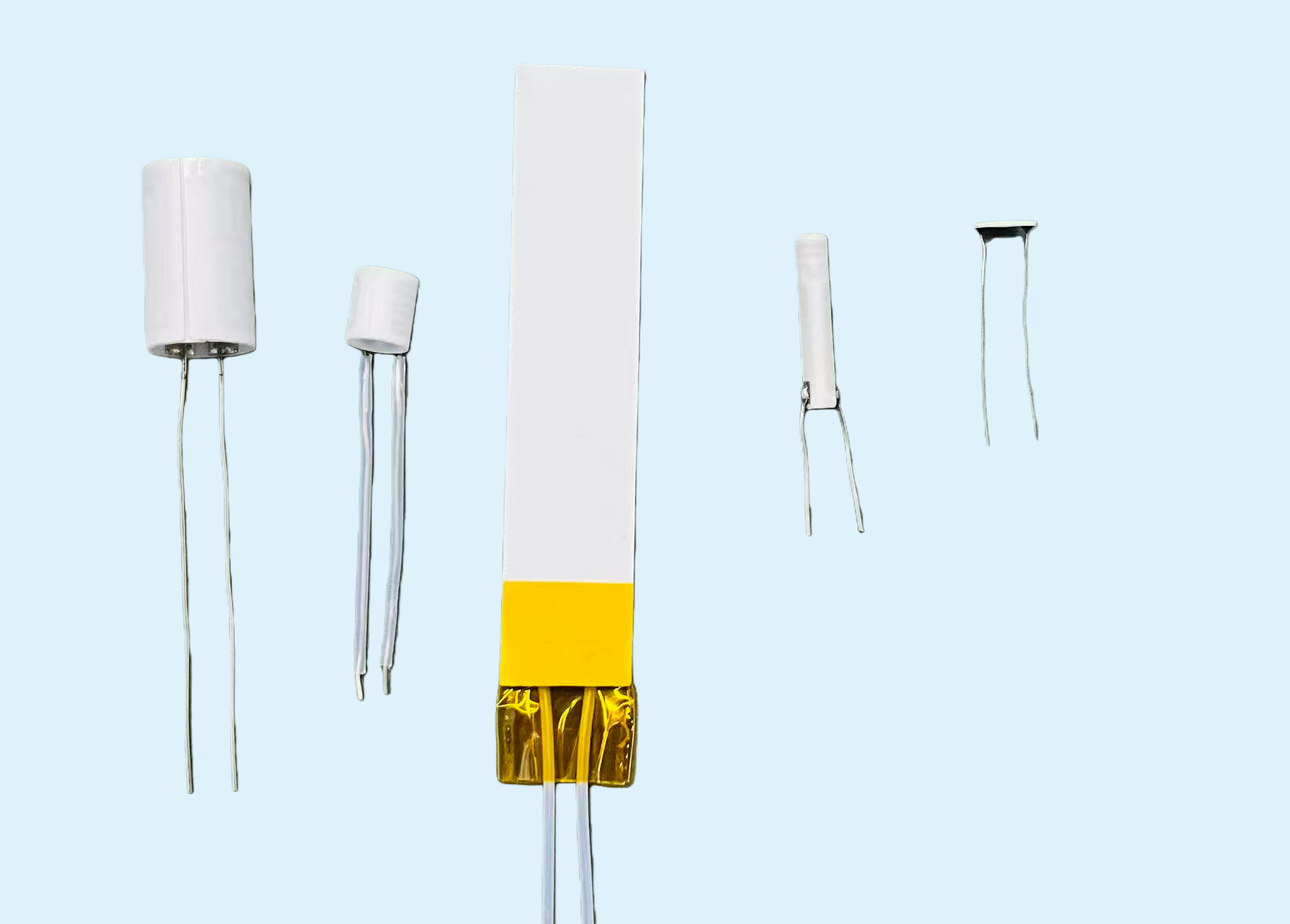
- Heating Elements and Sensors: Electrically insulating ceramic bases for heating elements and sensor assemblies.
For other advanced ceramic materials and customized components, please visit our semiconductor ceramics product range.
Frequently Asked Questions
What alumina purity grades are available?
The commonly available grades include 96% and 99.6% Al₂O₃. Other purity requirements can be evaluated according to the application and project specifications.
What are the typical sizes and thicknesses of alumina substrates?
Common dimensions include 50.8 × 50.8 mm, 60 × 48 mm and 114.3 × 114.3 mm. Typical thickness ranges are 0.25–2.0 mm for 96% alumina and 0.25–1.0 mm for standard 99.6% alumina substrates. Customized dimensions are also available.
What is the difference between 96% and 99.6% alumina substrates?
The two grades differ in alumina content and physical properties. The 99.6% grade offers higher thermal conductivity and density, while 96% alumina provides a widely used balance of electrical, mechanical and thermal properties. Material selection depends on the application and performance requirements.
Can alumina substrates be laser-cut or customized?
Yes. Customized substrate geometries, including special outlines, holes, slots and cutouts, can be evaluated according to drawings and manufacturing requirements.
What surface roughness can alumina substrates achieve?
The published reference range is Ra 0.03–0.7 µm. The achievable surface finish depends on substrate grade, dimensions and finishing requirements.
Send us your drawings or specifications for an alumina ceramic substrate review.
Discuss Your Alumina Substrate Project